Lake Tawakoni Catfish Tips-Spawning Season-Updated Post
Author: Tony Pennebaker
Role: Thunder Cove Guide Service
Last Updated: April 6, 2026
Phone: 903-474-3078
Quick Answer: How do you catch catfish during the Lake Tawakoni catfish spawning season?
The Lake Tawakoni catfish spawning season can make blue catfish harder to catch, but anglers who understand pre-spawn staging, spawning cover, and post-spawn movement can still put fish in the boat. Blue catfish often move near feeder creeks, rocks, timber, and current breaks as water temperatures approach 70 degrees. The best approach is to stay mobile, fish fresh shad, and target areas where fish are feeding before or after the actual spawn. On Lake Tawakoni, knowing when to move is just as important as knowing where to fish.
Understanding Blue Catfish Spawning Season on Lake Tawakoni
Blue catfish on Lake Tawakoni usually begin spawning when water temperatures move close to 70 degrees. That temperature is the trigger many anglers watch for each spring. Once conditions line up, male blue catfish start looking for dark, protected nesting spots around rocks, logs, crevices, and other hard cover.
The female lays her eggs in the nest, and the male fertilizes them and stays behind to protect the bed. During this stage, catch rates often drop because male fish guarding nests do not feed aggressively. That is one reason many anglers feel like the bite suddenly disappears during late spring.
The good news is the toughest part of the spawn does not last forever. Not every fish in the lake spawns at the same time. On a big reservoir like Lake Tawakoni, one section of the lake may be in pre-spawn while another area is in active spawn and another is already in post-spawn. That is why anglers who keep moving and keep checking different areas usually catch more fish than anglers who sit too long in dead water.
Blue Catfish Behavior During the Spawn
Understanding fish behavior is the key to better spring catfishing. Blue catfish do not all act the same during the spawning season.
Pre-spawn movement
Before the spawn, blue catfish feed heavily and often stage near areas they will use for spawning. This is one of the best times to catch good numbers of fish and some large fish too. Feeder creeks, tributary mouths, timber, shallow structure, and rock transitions can all hold fish during this stage.
Active spawn behavior
Once fish are locked into the spawn, the bite can get difficult fast. Male blue catfish stay tight to cover and protect the nest. These fish often eat very little. That is why anglers can go from catching fish well one day to struggling badly the next.
Post-spawn recovery
After the spawn, fish begin moving back into more normal feeding patterns. Some of the best action can happen right after this recovery period starts. Fish that were inactive begin feeding again, especially where bait is easy to find.
Lake Tawakoni Blue Catfish Quick Hits
Blue catfish identification and facts
- Blue catfish have a rounded anal fin with 24 to 29 rays.
- Blue catfish are often confused with channel catfish.
- Blue catfish spend much of their time feeding near the bottom.
- Catfish do not sting.
- Larger adult blue catfish are often more solitary than smaller fish.
- Blue catfish have a very advanced sense of smell and taste.
- They commonly lay eggs in protected crevices near rocks, timber, and hard cover.
- Juvenile blue catfish feed on insects and small fish.
- Blue catfish can live a long time and continue growing as they age.
Where to Find Blue Catfish During the Spawn
Location matters more than ever during the spawning season. If you are fishing dead water, you can waste half the day without even knowing fish are active somewhere else.
Feeder creeks and tributary mouths
One of the best places to look is where feeder creeks dump into Lake Tawakoni. These areas can warm faster than the main lake, especially after a spring rain. That warmer water can pull baitfish in, and blue catfish follow the food.
Fish may stage here before the spawn, move through during the spawn, and feed there again after the spawn. Tributary mouths are especially good when there is current, stained water, or nearby cover like trees, holes, or submerged structure.
Riprap and rock transitions
Rocks are prime spawning cover for blue catfish. Pay attention to dam riprap, rock banks, underwater points, and places where large rock changes into smaller rock. These transitions often create small pockets and hiding places that blue catfish use for nesting.
If a log, pipe, or broken structure is mixed into the rock, that spot gets even better. Those little details often separate average catfish spots from the best ones.
Timber, logs, and heavy cover
Downed logs, brush, and timber give fish the dark, protected areas they like during the spawn. These places can be frustrating to fish, but they are worth your time. You may hang up a little more, but you are fishing where catfish want to be.
Best Bait for Lake Tawakoni Catfish During the Spawn
Fresh bait is the standard for spring blue catfish fishing on Lake Tawakoni.
Fresh shad is hard to beat
The best catfish bait on Lake Tawakoni is fresh-caught shad. Threadfin shad and gizzard shad are both top producers. Fresh bait puts more scent into the water, has better texture, and matches what blue catfish are already feeding on.
Frozen bait can still catch fish, but it usually does not perform like fresh shad, especially when fish are already acting picky during the spawn.
Cut bait size matters
Match your bait size to the fish you are targeting and the mood of the bite. Bigger chunks of cut shad can help weed out smaller fish and tempt bigger blue catfish. When the bite is slow, downsizing your bait can sometimes get more action.
Rigging and Gear for Spawning Season Catfish
Keep your setup strong, simple, and dependable.
Rods, reels, and line
Use a medium-heavy to heavy catfish rod with enough backbone to handle big blue catfish around rocks and timber. A quality reel with a smooth drag is important because spring fish often hit around heavy cover, and you need control right away.
Strong line matters. Many anglers prefer heavy monofilament or braid with a tough leader. Abrasion resistance is critical when fishing riprap, logs, and creek mouths full of debris.
Hooks and weights
Use sharp, strong hooks that can hold up under pressure. Hook sharpness matters more than many anglers realize. If your hook will not penetrate quickly, you can lose good fish before the fight even starts.
Adjust your sinker weight based on wind, current, and depth. In current, use enough weight to keep your bait where the fish are. Around rocks and cover, a clean bottom presentation is often the best choice.
Fishing Techniques for Catfish Before, During, and After the Spawn
The biggest mistake anglers make this time of year is staying too long in unproductive water.
Stay mobile
If you are not getting bit in 20 to 30 minutes, move. That is one of the best pieces of spring catfishing advice on Lake Tawakoni. Fish can be grouped up tight this time of year, and one area may be dead while the next cove, creek mouth, or rock line is loaded.
Fish upstream in moving water
When spring rains put water into the creeks, current becomes a major trigger. Position the boat so you can cast upstream and let your cut bait drift naturally back into holding areas. Blue catfish often sit around heavy cover and ambush bait that moves with the flow.
Fish the bottom near cover
When targeting riprap, rock piles, or timber, keep your bait close to the bottom. Blue catfish use these areas for cover and feeding. Cast parallel to rock banks, across points, or into current seams near structure.
Watch water temperature
Spring catfishing is tied closely to temperature. One warmer tributary can outfish the main lake by a mile. Keep checking water temperature as you move, especially after warm nights, sunny afternoons, or runoff from a spring rain.
Weather and Water Conditions Matter
Spring catfish fishing changes fast with weather.
Spring rain
Rain can improve the bite by adding current and slightly warmer runoff into feeder creeks. This can stack bait and catfish into predictable areas.
Sunlight and warming trends
Several warm days in a row can push shallow areas and tributaries toward spawning temperatures faster than the main lake. That can move blue catfish sooner than many anglers expect.
Wind
Wind can help or hurt. It can stack baitfish into certain banks or creek mouths, but it can also make boat control difficult. On windy days, choose areas where you can still fish effectively and keep your bait where it needs to be.
Water clarity
A little stain is often good for catfish. Muddy water after a big rain can still produce, especially if fish are using smell and current to locate food.
Why Hiring a Fishing Guide Helps
The spawning season can be one of the hardest times of year for the average angler to figure out. Fish move, bite windows get shorter, and a good area in the morning can go dead by lunch.
Hiring a Lake Tawakoni fishing guide helps shorten the learning curve. A guide like Tony Pennebaker knows how spring water temperatures, tributary flow, bait movement, and spawning behavior affect where blue catfish set up. Instead of guessing, you spend your day fishing proven areas with proven techniques.
A good guide also helps with boat positioning, bait selection, rigging, and timing. That means you not only catch more fish, but you also learn why those fish were there in the first place.
Frequently Asked Questions
When do blue catfish spawn on Lake Tawakoni?
Blue catfish usually spawn when water temperatures reach around 70 degrees in spring. The exact timing can change a little depending on weather, warming trends, and different parts of the lake.
Is catfishing harder during the spawn?
Yes, it can be. Male blue catfish guarding nests often feed very little, which causes catch rates to drop in some areas. That is why moving and checking multiple zones matters so much.
Where should I fish during the catfish spawn?
Focus on feeder creeks, tributary mouths, riprap, rock transitions, logs, and heavy cover. These are the kinds of places blue catfish use before, during, and after the spawn.
What is the best bait for Lake Tawakoni blue catfish in spring?
Fresh-caught shad is usually the top bait. Threadfin and gizzard shad both work well, and fresh bait normally outperforms frozen bait during tough spring conditions.
How long should I stay in one spot?
A good rule during the spawn is to move if you are not getting action in 20 to 30 minutes. Blue catfish may be stacked in one area and nearly absent in another nearby area.
Do all blue catfish spawn at the same time?
No. On a big lake like Tawakoni, different fish may be in pre-spawn, spawn, or post-spawn at the same time depending on location and water temperature.
Do catfish sting?
No, catfish do not sting. Their fins can be sharp and can poke you, but they do not sting like many people believe.
Service Areas
Thunder Cove Guide Service serves anglers visiting Lake Tawakoni and surrounding areas:
- Lone Oak, TX
- Wills Point, TX
- Canton, TX
- Emory, TX
- East Tawakoni, TX
- Dallas, TX
- Fort Worth, TX
- Oklahoma City, OK
Trips are adjusted based on current lake conditions, seasonal fish movement, and the type of fishing experience you’re looking for—whether that’s fast-action channel catfish trips or targeting trophy blue catfish.
Catch More Catfish Today
If you want to catch more blue catfish during the Lake Tawakoni spawning season, spend less time guessing and more time fishing the right water. Tony Pennebaker of Thunder Cove Guide Service helps anglers understand where fish move, what they feed on, and how to adjust when the bite gets tough. Call 903-474-3078 to book a trip and learn how to catch Lake Tawakoni catfish before, during, and after the spawn.
Lake Tawakoni Fishing Resources
Plan Your Fishing Trip
- Lake Tawakoni Fishing Guide – Overview of guided catfish trips on Lake Tawakoni
- Fishing Trip Pricing – See current trip rates and options
- Book a Fishing Trip – Check availability and plan your trip
Related Fishing Resources
- Best Time to Fish Lake Tawakoni
- Best Bait for Lake Tawakoni Blue Catfish
- How to Catch Blue Catfish on Lake Tawakoni
- Lake Tawakoni Fishing Reports
Content Update Notice
This article has been updated to reflect current fishing patterns and techniques for blue catfishing Lake Tawakoni. Seasonal behavior, bait strategies, and gear recommendations are based on real on-the-water experience. Some original material may remain below, but the updated sections reflect current best practices.
Lake Tawakoni Fishing Guide-Catfish Spawning Season Tips
If you are tired of getting shut out this spring, read the Lake Tawakoni Catfish Tips-Spawning Season blog and start catching! The #1 Blue Catfish Guide on Lake Tawakoni, Tony Pennebaker gives anglers the good stuff on how to put more fish in the net this spring spawning season.
Catfishing at Lake Tawakoni-Blue Catfish Spawning Season
Lake Tawakoni Blue Catfish will spawn this Spring when the water temperatures reach 70 degrees. We are very close to that magical temperature now. The male fish will choose a bedding site in dark secluded areas with logs and rocks. The male will lure the female into the bedding site where she will lay eggs. The male will fertilize the eggs, chase off the female, and guard the eggs. The fry hatch in 6-10 days and will stay near the nest with the male for 3-4 days. The Blue Catfish fry will then wonder out and become sexually mature at 24 inches long. Studies show the average lifespan of a Blue Catfish is 20-25 years.
Lake Tawakoni Blue Catfish Quick Hits
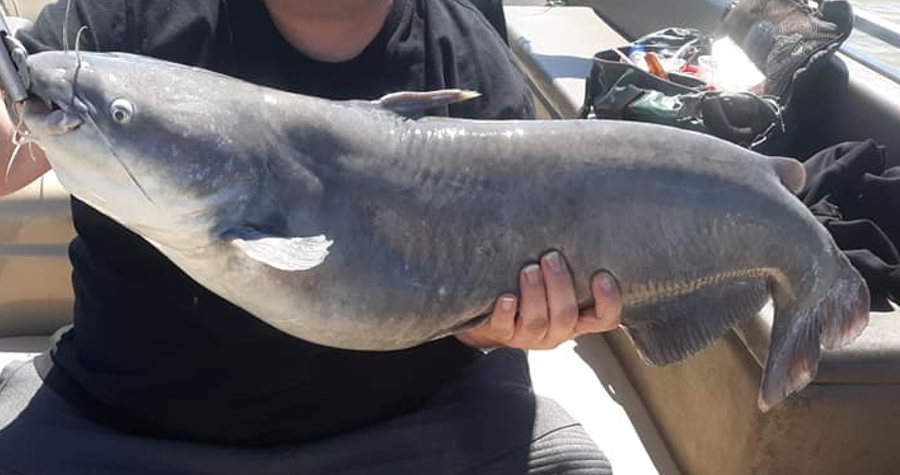
The Blue Catfish has a rounded anal fin with 24-29 rays.
Blue Catfish often get confused with channel catfish.
Blue Catfish are bottom feeder 90% of the time.
Catfish DO NOT Sting.
Adult catfish are usually lone wolf creatures.
Blue Catfish have an advanced sense of smell and taste.
Blue Catfish lay their eggs in crevices. Look for Rocks and or downed logs.
Juvenile Blue Catfish eat insects and small fish.
Blue Catfish never stop growing; the larger the fish, the older it is.
Blue Catfish prefer deep water and some current, but you can always find them if you locate the shad population. Lake Tawakoni Blue Catfish eat anything and everything they can, but prefer threadfin and gizzard shad. The best Catfish Bait for Lake Tawakoni is fresh caught shad, never frozen.
Catch more Blue Catfish Before, During, and After The Spawn
Most anglers love the spawning season and catch big fish and big numbers, but catfish can become difficult at best! Your Blue Catfishing success on Lake Tawakoni can get very tough if you do not understand the spawning season! 70 degrees is the magic number for Blue Catfish, and remember they prefer to lay eggs in crevices like rocks or logs. The spawn may occur earlier where creek water warms the shallow lake water! So shallow water where creeks dump into Lake Tawakoni could have spawning Blue Cats before the main lake. If you want to improve your catch rate look for feeder creeks on Lake Tawakoni. Blue Catfish will be staged here preparing for the spawn.
Lake Tawakoni Fishing Guide-Catfish Spawn Tactics
If you are tired of getting shut out this spring, read the Lake Tawakoni Catfish Tips-Spawning Season blog and start catching! The #1 Blue Catfish Guide on Lake Tawakoni, Tony Pennebaker gives anglers the good stuff on how to put more fish in the net this spring spawning season.
Catfishing at Lake Tawakoni-Blue Catfish Spawning Season
There is a sharp dropoff in catch rates during the spawn because male Blue Catfish eat very little while protecting the spawning bed! The good news is this nesting lasts only 2-4 days! Most Texas Lakes will not have all fish spawning at the same time, so you could have one area of Lake Tawakoni in pre-spawn, one spot active spawn, and another part of the lake post-spawn.
Yes catching blue catfish on Lake Tawakoni will take some work! Once again magic advice from a fishing guide, if you are not catching fish in 20-30 minutes……MOVE! One area of Lake Tawakoni could be on spawning lock-down, but the next area could be game on! Cover water for more success! The best fishing often is in tributary streams, as the water temperature warms, catfish migrate upstream into tributaries to spawn.
Target Spawning Hot Spots-Lake Tawakoni Blue Catfish
Tributary mouths are spawning areas for Catfish, and they can produce the best fishing of the year. When we get a big spring rain the creeks dump warm water into Lake Tawakoni and Blue Catfish will hang out close to the current in heavy cover like trees, humps, or holes and ambush shad!
Use the current and cast upstream and drift you cut bait to the feeding Blue Catfish. Look for the rocks on Lake Tawakoni and you will find ALL Catfish species spawning in the crevices. Pay attention to the Dam Rip-Rap rocks. Find underwater points or where rocks go from big to small. Maybe a log or pipe is stacked on the rocks, Blue Catfish love these spots. Cast your bait to the rocks and fish it on the bottom for success!
Lake Tawakoni Catfishing During the Spawn
Thanks for reading our blog lake Tawakoni Catfish Tips-Spawning Season. Fishing for catfish during their spawning season can be very frustrating. Improve your odds and learn how to catch catfish from Guide Tony Pennebaker. Tony loves to teach clients how, why, and when to catch Blue Catfish on Lake Tawakoni. For more information please follow Blue Catfish Guide on Lake Tawakoni, Tony Pennebaker. Don’t forget to Like Us on Facebook and check out our pictures on Instagram!
About The Author
Meet Lake Tawakoni Fishing Guide Tony Pennebaker! Tony is the owner-operator of laketawakonicatfishguide.com and Thunder Cove Guide Service. Tony targets trophy blue catfish from November to March and puts big fish in the net! Spring and summer you will find Tony chasing Channel Catfish! Lake Tawakoni Fishing Guide Tony Pennebaker has over 30 years experience fishing Lake Tawakoni and now is a full-time guide! Tony loves to show clients why Lake Tawakoni is the Catfish Capital of Texas!
Source: Lake Tawakoni Fishing Guide-Tony Pennebaker
Contact Information
Corporate Headquarters
2201 E Rabbit Cove Rd.
West Tawakoni, TX 75474
903-474-3078
thundercovebluecat@gmail.com