Complete Guide to Fishing Lake Tawakoni-Introduction
Author: Tony Pennebaker
Role: Thunder Cove Guide Service
Last Updated: April 8, 2026
Phone: 903-474-3078
Lake Overview
Lake Tawakoni sits east of the Dallas-Fort Worth area and has built a strong reputation as one of the better multi-species fisheries in North Texas. From a fishing standpoint, what makes this lake special is the combination of size, open-water habitat, creek channels, shad populations, and a long history of producing quality catfish and temperate bass. Texas Parks and Wildlife lists Lake Tawakoni at 37,879 acres, which gives fish plenty of room to spread out while still offering enough structure, channel edges, and feeding lanes for anglers to pattern them.
This is not a tiny lake where anglers can randomly drift around and expect to stay on fish all day. Lake Tawakoni rewards people who pay attention to bait movement, seasonal patterns, wind direction, and electronics. The anglers who do best here are the ones who understand that baitfish drive a huge part of the lake’s bite. Texas Parks and Wildlife survey information specifically notes that gizzard shad and threadfin shad are the primary prey species in the reservoir, and that matters because those baitfish influence where predator fish set up through the year.
Anglers travel here from Wills Point, Emory, Canton, Dallas, Fort Worth, Tyler, and well beyond because Lake Tawakoni offers a mix of trophy opportunity and dependable action. Some lakes are known mainly for one species. Tawakoni is different. It gives anglers a legitimate chance to chase blue catfish, fill a cooler with channel catfish, or spend the day around schools of white bass and hybrids depending on the season and what kind of trip they want.
From a guide’s perspective, that variety is one of the biggest advantages of the lake. When weather shifts, wind changes, or fish move, there is often more than one productive way to approach the day. That flexibility helps both beginners and experienced anglers have a better trip.
Fish Species in Lake Tawakoni
Blue Catfish
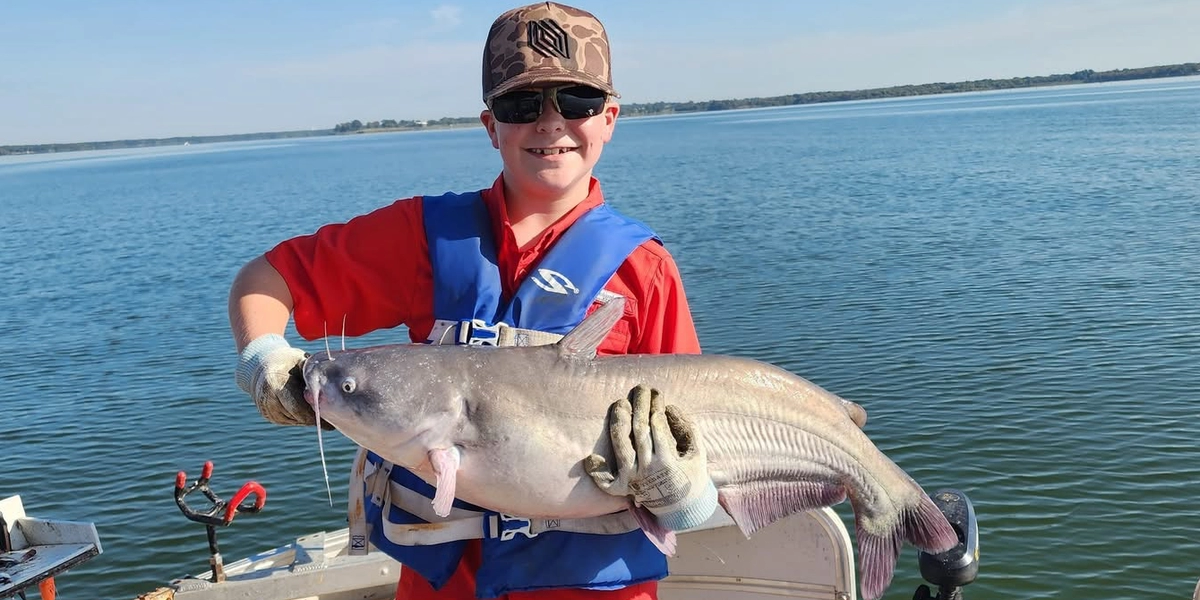
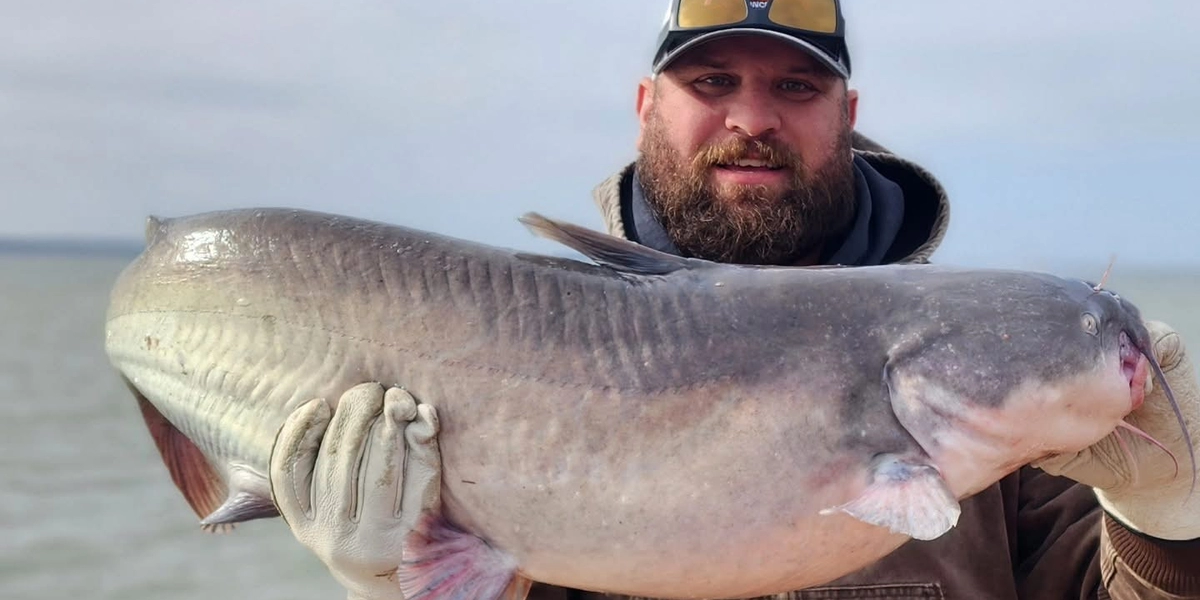
Blue catfish are one of the biggest reasons Lake Tawakoni has the reputation it does. Texas Parks and Wildlife’s survey reporting says blue catfish are abundant in the reservoir and that trophy opportunities remain excellent. That is exactly what gets serious catfish anglers excited about this lake. It is a place where an angler can chase numbers on some trips and true trophy-class fish on others.
Blue catfish on Lake Tawakoni are open-water predators much of the year, but they also use channels, ledges, and feeding routes tied to shad. They are not random fish. Big blues often move with purpose and set up where food is easiest to intercept. That means successful anglers usually spend less time guessing and more time studying bait, depth changes, and fish behavior on sonar.
Fresh cut shad is one of the most dependable ways to target them. On some days bigger baits are better, especially when chasing trophy fish. On other days, smaller, clean pieces of fresh bait get more consistent bites. The key is matching bait size and presentation to fish mood, season, and depth.
Channel Catfish
Channel catfish are another major draw on Lake Tawakoni, especially for anglers who want steady action and fish for the fryer. Texas Parks and Wildlife lists channel catfish among the abundant catfish species in the lake, and they are a big part of why family trips and meat trips can be so productive here.
Channel cats often relate well to shallower feeding areas than many anglers expect, especially when conditions line up. They can group up around cover, edges, flats near structure, and transition areas where bait and current position them. During the warmer months, anglers can often put together very fast action when they stay mobile and do not waste too much time on dead water.
For many anglers, channel catfish are the perfect target on Lake Tawakoni because they combine good table quality with consistent action. They are ideal for kids, beginners, and anyone who wants a cooler full of fish instead of waiting all day on one giant bite.
White Bass
White bass are one of the most fun species in Lake Tawakoni because they school aggressively and can offer excellent action when the bite lines up. Texas Parks and Wildlife includes white bass as one of the lake’s important sportfish, and weekly reports often mention schooling fish feeding on threadfin shad.
These fish are built for fast-paced fishing. When white bass stack up over bait or move onto productive feeding zones, anglers can catch them on slabs, small swimbaits, and other reaction-style offerings. They are a big reason why the lake can produce high-action trips in spring, summer, fall, and even winter depending on bait movement and weather.
Hybrid Striped Bass
Hybrid striped bass are a major part of the Lake Tawakoni story. Texas Parks and Wildlife states that hybrid bass are stocked annually to maintain the fishery, and they remain one of the lake’s signature game fish. They are aggressive, powerful, and often found around bait schools in open water.
For anglers who like casting or vertical presentations, hybrids are a perfect fit. They hit hard, pull hard, and often show up in groups. When a school is active, anglers can have some of the most exciting fishing the lake offers.
Striped Bass
Striped bass are also stocked annually by Texas Parks and Wildlife and add another layer to the fishery. While many anglers know Lake Tawakoni best for catfish, the striped bass fishery helps make this reservoir more complete and more attractive to traveling anglers.
Stripers use much of the same open-water environment as hybrids, especially when bait is concentrated. They can be caught on live bait, swimbaits, and vertical presentations depending on the season and fish mood. Anglers targeting catfish will not always focus on them, but they are part of what makes Lake Tawakoni a true all-around fishing lake.
Best Fishing Techniques for Lake Tawakoni
Live Bait Fishing
Live bait is effective on Lake Tawakoni because predator fish are heavily keyed in on shad. When fish are feeding naturally and want a realistic presentation, live bait can be hard to beat. This is especially true for temperate bass and can be very effective when fish are tracking suspended bait schools or feeding along structure.
The biggest mistake anglers make with live bait is treating it like a magic solution. It still has to be presented at the right depth, around the right fish, in the right area. Good electronics matter. Boat control matters. Fresh, healthy bait matters.
Cut Bait Fishing
For blue catfish and channel catfish, fresh cut bait is one of the top-producing methods on the lake. Clean pieces of fresh shad put scent in the water and match the natural forage base. This method shines when anglers place baits on productive travel routes, ledges, channel edges, flats near deep water, and other feeding zones.
Catfish anglers who do best with cut bait usually stay disciplined. They watch current, pay attention to wind, monitor bait quality, and move when the area is not producing. That matters on Tawakoni because fish do move and feeding windows can be sharp.
Drifting
Drifting can be a very effective way to cover water on Lake Tawakoni, especially when targeting active catfish across larger flats or broader feeding areas. Instead of waiting on fish to come to one stationary spread, drifting lets anglers search for the most productive water.
The reason drifting works so well on big reservoirs is simple: it helps anglers contact fish that are spread out. It also helps reveal the depth, speed, and zones where active fish are holding that day.
Vertical Jigging
Vertical jigging is a strong pattern on Lake Tawakoni when fish are grouped tightly under the boat or holding around bait schools. Weekly TPWD reports regularly mention swimbaits and slabs working in 10 to 30 feet for white bass and hybrids, which is a good reminder that vertical presentations can be deadly when schools are pinned down and visible on electronics.
Vertical jigging is a precision game. The more accurately anglers can read their sonar, stay over fish, and control lure depth, the better they do. It is one of the best ways to turn fish marks into hookups when schools are compact.
Artificial Lure Fishing
Artificial lures give anglers speed, versatility, and the ability to trigger reaction strikes. On days when fish are chasing bait aggressively, artificials can outfish natural baits because they let anglers stay mobile and cover active schools fast.
This matters on Lake Tawakoni because bait often moves and predator fish move with it. The faster anglers can identify productive zones and keep lures in front of feeding fish, the more efficient they become.
Best Lures for Fishing Lake Tawakoni
Swimbaits
Swimbaits are one of the better all-around artificial options on Lake Tawakoni for white bass, hybrids, and stripers. TPWD weekly reports specifically mention swimbaits producing when fish are feeding on big schools of threadfin shad.
In practical terms, swimbaits work because they match the lake’s forage profile. They can be counted down to suspended fish, slow-rolled near structure, or reeled through active schools. Natural baitfish colors are usually a smart starting point, especially when the water is lightly stained to fairly clear.
Slab Spoons
Slabs are a staple on lakes where fish bunch up under bait schools, and Lake Tawakoni is no exception. They fall quickly, show well on sonar, and can be worked vertically with a controlled lift-and-drop presentation.
These lures are especially effective when fish are stacked under the boat and anglers need to keep the bait in the strike zone. They also shine when fish are feeding in deeper water and want a fast, direct presentation.
Live Bait
Live bait is not a lure in the traditional sense, but it belongs in this section because it is one of the most productive presentations on the lake for several species. A healthy live shad fished at the correct depth is one of the best ways to get bit when fish are keyed on natural forage.
Cut Shad
For catfish, cut shad deserves its own place because it is more than just bait. It is part of the whole Lake Tawakoni catfish system. The lake’s forage base makes it a natural match, and anglers who keep their bait fresh and fish it in productive locations consistently put more catfish in the boat.
Seasonal Fishing Guide
Spring Fishing
Spring is one of the most exciting times to fish Lake Tawakoni because fish are transitioning, bait is moving, and multiple species can be active. White bass often become a big attraction during spring patterns, while catfish can feed aggressively as water temperatures rise.
Spring also demands flexibility. Fish may move shallower, use current more, and change location quickly with warming trends, rain events, and wind shifts. Anglers who pay attention to those changes usually separate themselves from the crowd.
For catfish anglers, spring can be a very good time to target both eater fish and larger blue catfish. The key is understanding whether fish are actively feeding on flats, holding around transition edges, or sliding with weather changes.
Summer Fishing
Summer on Lake Tawakoni is a prime time for channel catfish action and can also produce strong open-water fishing for other species. Fish positioning becomes more tied to oxygen, bait location, depth, and boat traffic. That means early boat control, fish-finding, and staying mobile matter even more.
Summer channel catfishing can be outstanding when anglers find active fish around the right structure and do not sit too long on unproductive spots. Blue catfish still offer opportunity as well, especially for anglers who understand deeper edges, feeding lanes, and how summer conditions position fish.
Fall Fishing
Fall is a favorite season for many anglers because baitfish begin to bunch up more predictably and predator fish often feed aggressively. As temperatures cool, the lake often feels more alive. Fish chase more, move better, and show up in more obvious feeding windows.
For catfish, fall can be an excellent time to target healthy, active fish that are feeding hard ahead of winter. For white bass, hybrids, and stripers, it can be one of the better artificial-lure seasons of the year.
Winter Fishing
Winter is when Lake Tawakoni really gets the attention of many serious blue catfish anglers. Cold-weather fishing often means more precision, deeper fish, and a heavier reliance on sonar and boat control. When anglers understand winter structure and stay on fresh bait, it can be one of the best seasons for trophy-class fish.
Weekly TPWD reports from late February 2026 noted that eater-size catfish were reliable, trophy-sized catfish were feeding well, and small pieces of cut bait were working in shallow water while white bass and hybrids were feeding on threadfin shad in 10 to 30 feet. That is a good example of how productive winter-to-late-winter fishing can be on this lake.
Best Areas to Fish the Lake
Lake Tawakoni has plenty of productive water, but the best anglers do not think in terms of one secret spot. They think in terms of fish position, bait position, and structure type.
Creek channels are important because they act like travel lanes. Fish use them to move between feeding areas and deeper holding zones. Channel edges, bends, and intersections can all be productive depending on season and water conditions.
Open-water bait schools are another major pattern, especially for white bass, hybrids, and stripers. When shad group up, predator fish are usually not far away. This is where electronics become critical. Anglers need to see bait, determine depth, and decide whether fish are below, inside, or around those schools.
Wind-blown areas often improve fishing because wind concentrates bait, adds oxygen, reduces light penetration, and helps break up surface conditions. Fish often feed more naturally when wind is working in an angler’s favor instead of against him.
Depth changes matter too. Subtle ledges, flats near channels, drops, points, and transition zones can all hold fish. On a big lake like Tawakoni, the best areas are rarely random. They are usually the places where food, movement, and structure come together.
Weather and Water Conditions
Wind is usually a positive factor on Lake Tawakoni. A light to moderate wind can push bait, activate predator fish, and help anglers get away from dead, slick-water conditions. Too much wind can make boat control difficult, but some wind is often better than none.
Sunlight changes fish behavior, especially in clearer or lightly stained water. Bright sun can pull some fish tighter to depth changes or structure, while low-light periods often open better feeding windows. Cloud cover can also extend aggressive feeding activity.
Water clarity matters because it affects lure choice, presentation speed, and fish positioning. In lightly stained water, anglers often get a great balance between visibility and fish confidence. TPWD’s recent report listed Lake Tawakoni as lightly stained, which is a common and productive look for this fishery.
Seasonal temperature change is one of the biggest drivers on the lake. Rising spring temperatures, hot summer conditions, cooling fall water, and winter stabilization all shift where fish feed and how they can be targeted.
Fishing with a Guide
Hiring a guide on Lake Tawakoni is one of the fastest ways to shorten the learning curve. This is a large reservoir, and there is a big difference between running around on fishy-looking water and actually understanding how the lake sets up day by day.
A guide brings local knowledge, seasonal pattern experience, electronics interpretation, and the ability to adjust when fish move. That matters whether someone is brand new to fishing or has years of experience but wants to learn the lake faster.
For beginners, a guide helps remove confusion. You learn where to look, how fish position, what bait matters, how to rig correctly, and why one area is better than another. For experienced anglers, a guide trip can help fine-tune seasonal strategy and reveal how to read the lake more efficiently.
Frequently Asked Questions
What is the best time to fish Lake Tawakoni?
Lake Tawakoni can fish well year-round, but the best time depends on the species you want to target. Winter is especially popular for trophy blue catfish, while spring and fall can offer strong action across multiple species. Summer is often excellent for channel catfish and family-style action trips.
What species can you catch in Lake Tawakoni?
Texas Parks and Wildlife lists blue catfish, channel catfish, white bass, hybrid striped bass, striped bass, crappie, and largemouth bass among the main sportfish in the reservoir. For many anglers, the biggest draws are catfish and temperate bass.
Is Lake Tawakoni good for trophy catfish?
Yes. TPWD survey reporting specifically says blue catfish are abundant and that trophy opportunities remain excellent. That is one of the main reasons serious catfish anglers travel to this lake.
What bait works best on Lake Tawakoni?
For catfish, fresh cut shad is one of the top choices because it matches the natural forage in the lake. For hybrids, stripers, and white bass, live shad, swimbaits, and slabs are all proven producers depending on season and fish location.
Do I need a guide to fish Lake Tawakoni?
No, but a guide can save a lot of time and frustration. Lake Tawakoni is a big lake, and fish often move with bait and weather changes. A guide helps anglers get on productive patterns faster.
What depth do fish hold on Lake Tawakoni?
There is no one depth that works every day. Fish can hold shallow, mid-depth, or deep depending on season, bait location, sunlight, and weather. Recent TPWD reporting showed active white bass and hybrids in 10 to 30 feet, while catfish patterns can vary from shallow feeding zones to deeper structural areas.
What are the catfish regulations on Lake Tawakoni?
Texas Parks and Wildlife says blue and channel catfish have a combined 25-fish daily bag limit, with no minimum length, but in that 25-fish bag no more than 5 fish 20 inches or greater may be retained and only 1 of those may be 30 inches or longer. Anglers should always double-check the current regulations before fishing.
Why does wind help fishing on Lake Tawakoni?
Wind often helps by pushing bait, adding oxygen, reducing light penetration, and improving feeding conditions. On big lakes like Tawakoni, wind can position fish and create more predictable feeding zones.
Service Areas
Thunder Cove Guide Service serves anglers visiting Lake Tawakoni and surrounding areas:
- Lone Oak, TX
- Wills Point, TX
- Canton, TX
- Emory, TX
- East Tawakoni, TX
- Dallas, TX
- Fort Worth, TX
- Oklahoma City, OK
Trips are adjusted based on current lake conditions, seasonal fish movement, and the type of fishing experience you’re looking for—whether that’s fast-action channel catfish trips or targeting trophy blue catfish.
Book a Lake Tawakoni Fishing Trip
If you want to learn the lake faster, catch more fish, and spend your day fishing instead of searching, Thunder Cove Guide Service is ready to help. Tony Pennebaker guides anglers on Lake Tawakoni for trophy blue catfish, channel catfish, and practical day-to-day patterns that put fish in the boat.
Call 903-474-3078 to schedule your fishing trip.
Lake Tawakoni Fishing Resources
Plan Your Fishing Trip
- Lake Tawakoni Fishing Guide – Overview of guided catfish trips
- Fishing Trip Pricing – See current rates
- Book a Fishing Trip – Check availability
Related Fishing Resources
- Best Time to Fish Lake Tawakoni
- Best Bait for Lake Tawakoni Catfish
- How to Catch Blue Catfish on Lake Tawakoni
- Lake Tawakoni Fishing Reports